
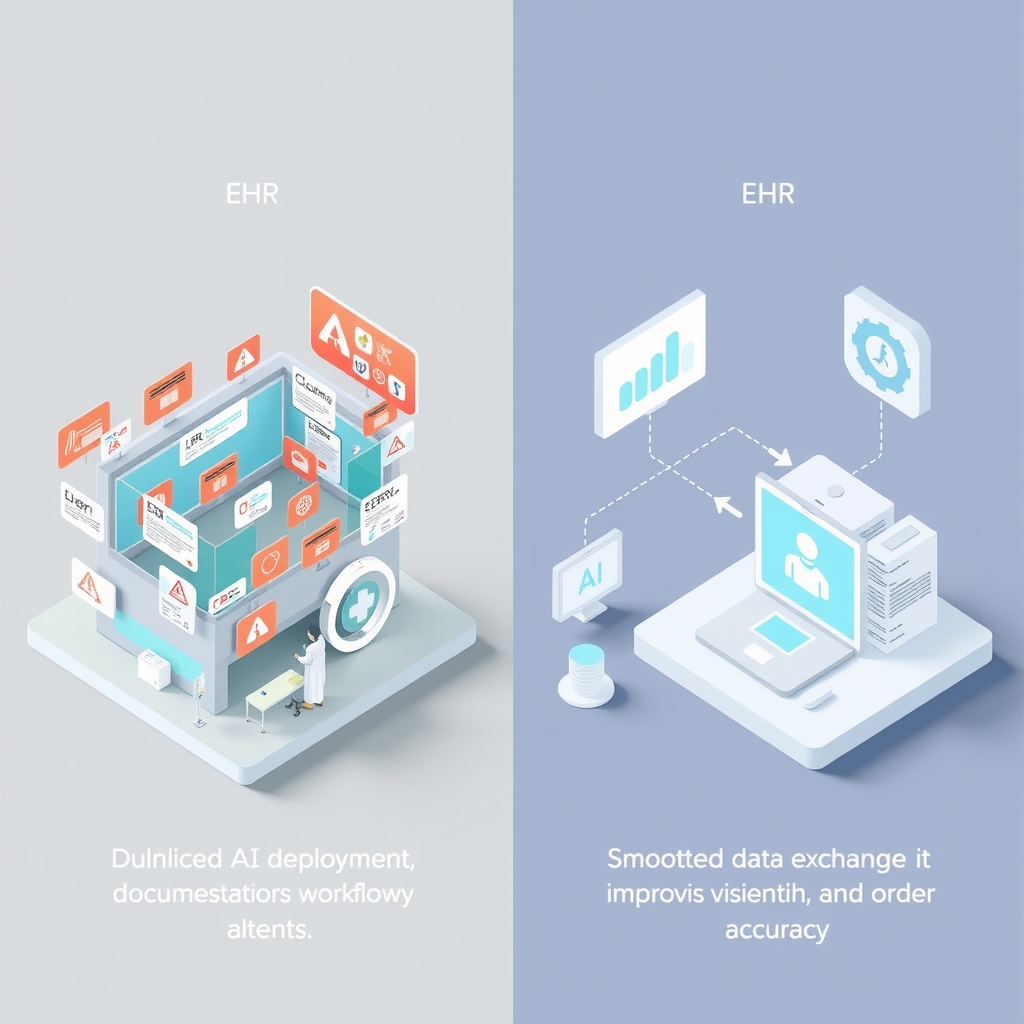
The STAT+ report on a secret AI startup underscores a problem many busy providers already sense: hastily built AI tools can do more harm than good when deployed in clinics. For operations leaders, the real costs show up in disrupted workflows, EHR systems strain, and missed revenue opportunities tied to quality metrics and patient retention.
Why rushed AI tools hurt clinic operations and margins
AI in healthcare promises efficiency, but the tech rarely fits smoothly into existing operational realities. When vendors push products to market without robust integration testing, EHR systems can become chokepoints: duplicate documentation, broken interfaces, and alert fatigue slow clinicians and lengthen visit times.
Those inefficiencies translate into revenue impact. Longer visits reduce throughput; inaccurate predictions can misalign care pathways tied to value-based care contracts; and poor user experience drives clinician burnout, increasing turnover costs and threatening quality-based reimbursements.

How clinics should evaluate and mitigate risk now
Before adopting any digital health tool, treat it like a clinical device: test in a controlled pilot, measure operational KPIs (visit length, order accuracy, throughput) and confirm EHR systems stability. Don’t let glossy demos substitute for real-world trials that include billers, nurses, and front-desk staff in the evaluation.
Align procurement with payment strategy: if your organization participates in value-based care arrangements, require vendors to demonstrate how their AI improves measured outcomes and revenue cycle metrics. Insist on transparent model performance data, error rates, and an integration roadmap with your EHR systems.
- Pilot before rollout: run a 30–90 day live pilot measuring visit time, documentation errors, and clinician satisfaction.
- Contract for outcomes: tie payments or phased rollout milestones to agreed improvements in throughput, coding accuracy, or value-based care metrics.
- Protect EHR workflows: require vendors to provide mapping, rollback plans, and technical support SLAs before any production integration.
The STAT+ story is a reminder that the promise of AI in healthcare depends on discipline, not just innovation. Clinics that require evidence, test in-context, and contract against measurable operational or revenue targets can harness digital health advances without jeopardizing care delivery.
For busy providers, the takeaway is simple: insist on pilots, align AI purchases with EHR realities and value-based care goals, and make vendor accountability non-negotiable. That approach protects both patient care and the clinic’s bottom line.
Leave a Reply