
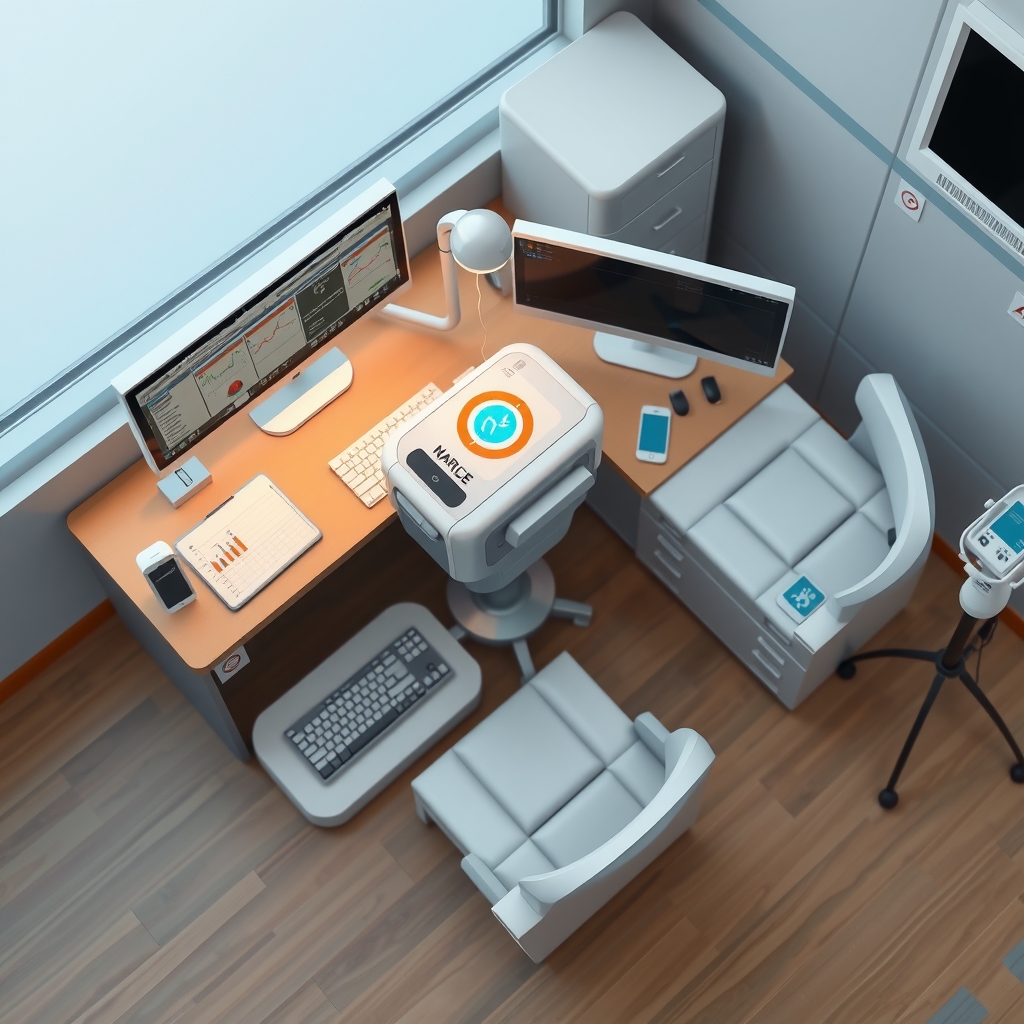
CMS and FDA moves on a RAPID coverage pathway for breakthrough devices and rising nurse resistance to AI tools matter for every clinic. Both developments will shape device rollout, EHR integrations, and frontline acceptance of new digital health tech.
What the RAPID proposal means for clinics and device adoption
The RAPID proposal aims to accelerate Medicare coverage decisions for FDA-designated breakthrough devices, shortening the gap between regulatory clearance and clinical reimbursement. For clinics, that can mean faster access to novel diagnostics and therapeutics — but also compressed timelines to evaluate clinical utility, costs, and workflows.
That speed increases the pressure on procurement, IT, and care teams to assess how devices integrate with existing EHR systems and whether they support the clinic’s value-based care goals. Rapid adoption without clear workflow mapping risks disruption, billing errors, and staff burnout as new devices generate data flows that must be routed into digital health records and quality reporting.

Nurse pushback: practical concerns that affect revenue and operations
Nurses and frontline staff are voicing concerns about AI in healthcare that go beyond abstract ethics: increased documentation time, unclear accountability for AI-driven recommendations, and compatibility headaches with EHR systems. When staff perceive new tools as workflow obstacles rather than aids, clinics face slower uptake, lower fidelity in device use, and potential errors that hurt quality metrics and revenue under value-based care contracts.
Addressing pushback requires early involvement of nursing leadership in procurement, realistic time-and-motion testing, and contracts that include implementation and retraining support. Vendors promising rapid coverage through RAPID will still need to demonstrate real-world interoperability and measurable ROI for clinics balancing digital health investments against staffing costs.
Actionable takeaways:
- Embed nurse representatives in device evaluation committees to surface workflow issues before purchase.
- Require vendors to validate EHR systems integration and provide staged pilots that measure documentation time and error rates.
- Link adoption decisions to value-based care metrics: demand evidence of how a device or AI in healthcare improves outcomes and lowers total cost of care.
Conclusion: The RAPID pathway could speed access to promising technologies, but clinics must avoid shortcutting implementation work. Prioritize interoperability with EHR systems, involve nurses early, and insist on real-world digital health evidence that supports value-based care goals to protect revenue and patient safety.
Leave a Reply