
KFF’s 2026 review of physician fee schedules shows wide variation in state-funded reimbursement for medication and procedural abortion for Medicaid enrollees. For clinic leaders and Medicaid program managers, these gaps matter for revenue forecasting, payer contracting, and operational workflows.
Key findings and immediate operational risks
KFF documents large differences across states in what is paid for the same medication or procedure, often driven by whether states use federal matching funds or state-only dollars. That variability creates unpredictability for clinics that rely on Medicaid volume—low reimbursements can turn otherwise sustainable service lines into loss leaders, affecting staffing, supply purchasing, and program expansion decisions.
Operationally, inconsistent rates increase administrative burden: more prior authorizations, manual claim edits, and payer-specific coding rules. These tasks slow throughput and increase denials, further compressing margins unless clinics standardize revenue-cycle workflows and align EHR systems to local fee schedules.

What clinics should do now—billing, technology, and policy alignment
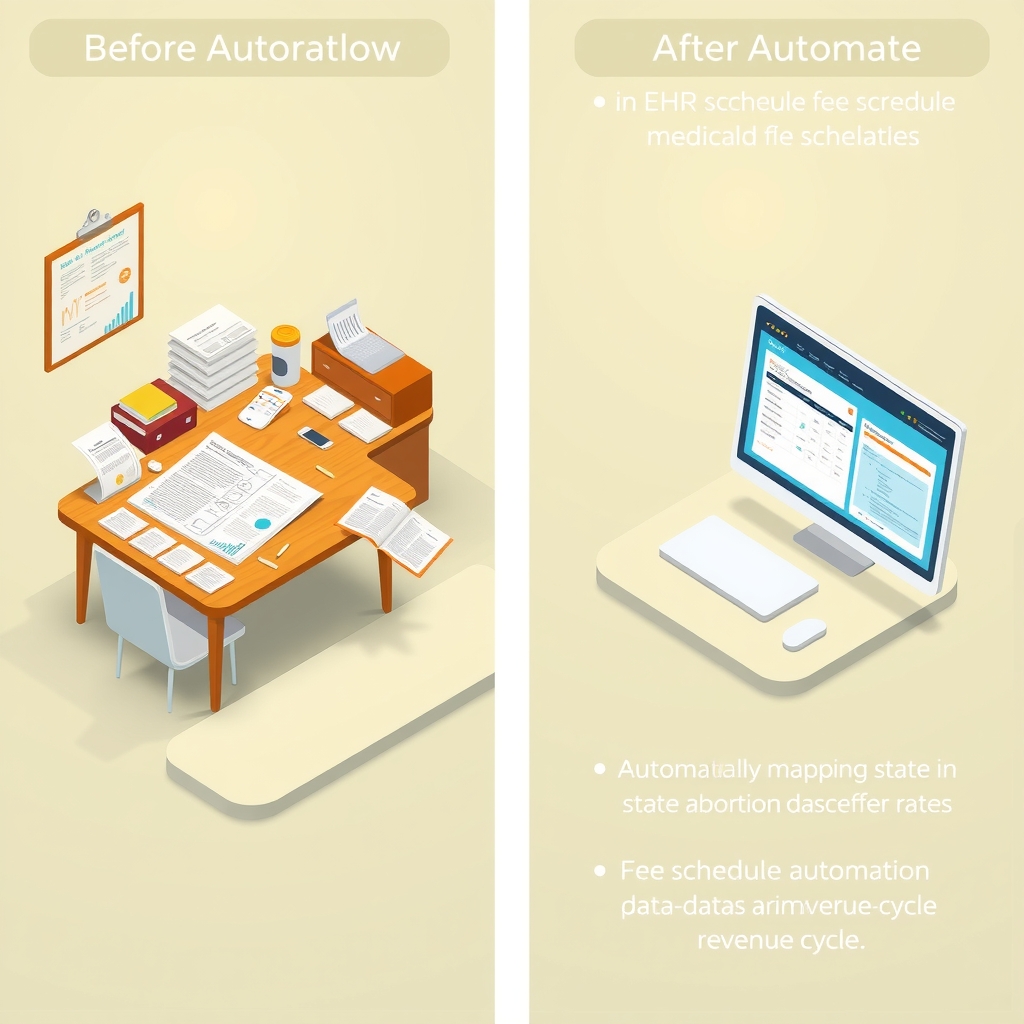
Short-term fixes focus on revenue-cycle optimization: map state fee schedules into your EHR systems to automate correct billing codes and modifier logic, train staff on state-specific claim edits, and set denial-reporting dashboards to catch patterns quickly. Integrating digital health tools (telemedicine intake templates, automated eligibility checks) reduces clerical delays that compound revenue loss when reimbursement is marginal.
Medium-term, clinics should engage payers and policymakers. Use aggregated clinic data to negotiate better rates or prompt reclassifications for bundled payments under value-based care pilots. Emerging tools in AI in healthcare can support predictive denial models and optimize charge capture, but they must be fed high-quality claims and EHR data to drive meaningful improvement.
- Map and automate: Load state fee schedules into your EHR systems to reduce miscoding and denials.
- Monitor and act: Use digital health dashboards and AI-driven denial prediction to prioritize appeals and staff training.
- Negotiate strategically: Present cost and outcome data to Medicaid directors and explore value-based care arrangements where reimbursement variability threatens access.
Conclusion: KFF’s update is a practical alarm bell for clinics and Medicaid managers. Variability in state-funded abortion reimbursements directly affects clinic revenue, patient access, and administrative load. Prioritize fee-schedule automation in EHR systems, strengthen denial management with digital health and AI-in-healthcare tools, and pursue payer or policy conversations that align reimbursements with sustained, equitable access.
Leave a Reply