

Medicaid policy changes to applied behavior analysis (ABA) for children with autism are shifting how clinics deliver care and get paid. For busy providers, this is less about clinical technique and more about operations, cash flow, and payer relationships.
Operational stress points: documentation, authorization, and staffing
When Medicaid revises coverage rules—tightening prior authorization, narrowing provider networks, or revising service definitions—ABA clinics quickly feel it in delayed payments and higher administrative workload. Expect more denials, requests for detailed progress notes, and audits that require standardized, scalable documentation workflows.
Staffing is another pressure point. Therapists may face more nonbillable time for paperwork and training on revised care guidelines, increasing turnover risk and reducing billable hours. Small practices without robust revenue cycle teams are most exposed.
Revenue strategies: technology, contracts, and value-based levers
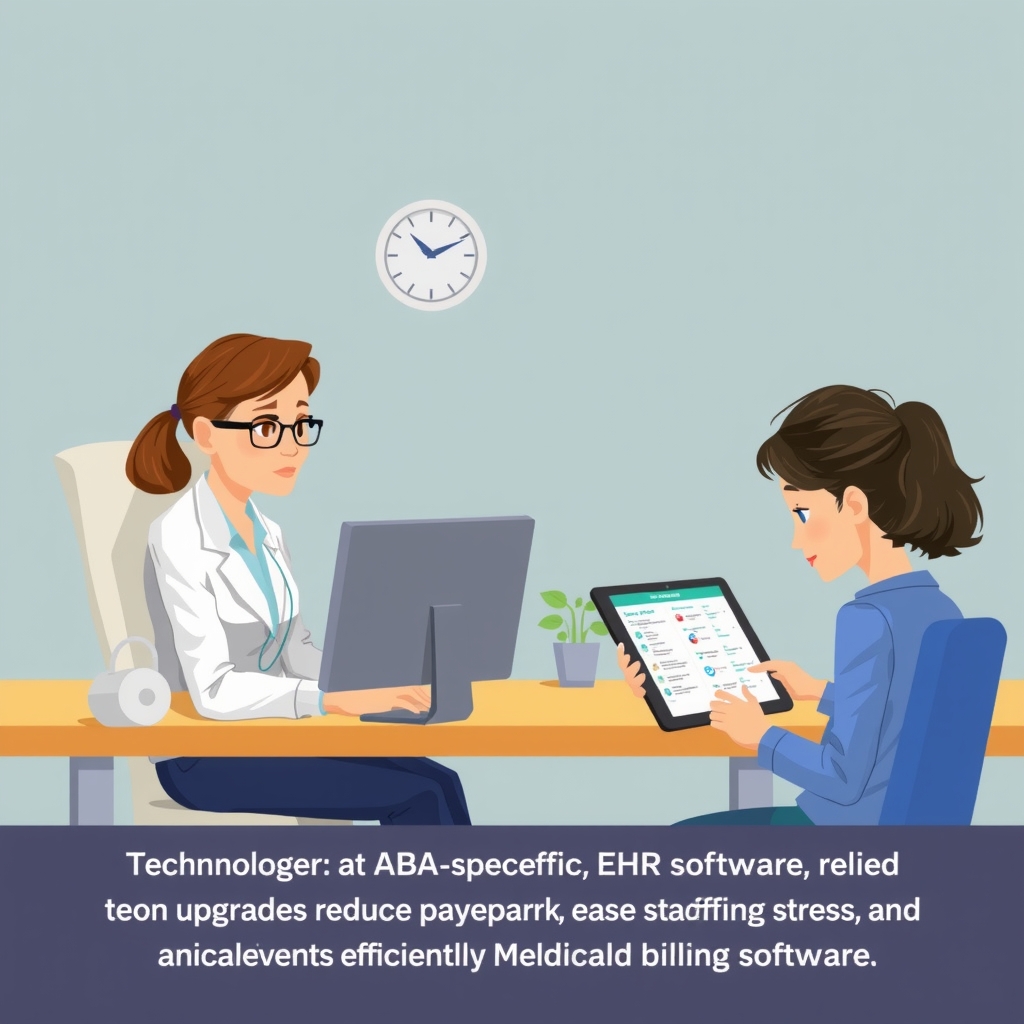
Tactical upgrades can protect margins. Integrate EHR systems with authorization and billing modules to automate prior authorization submissions, flag documentation gaps, and speed claims. Leverage digital health tools—telehealth check-ins, parent-facing apps, and structured outcome measures—to sustain engagement and document progress required by payers.
Longer term, negotiate payer contracts that include outcome-based rates or bundled payments aligned with value-based care principles. Track functional outcomes rigorously so you can present evidence in payer negotiations or participate in pilot value-based programs. Also explore AI in healthcare tools to accelerate charting, coding, and predictive denial detection without adding clinician burden.
- Audit payer contracts: Identify clauses on prior auth, documentation standards, and telehealth coverage; prioritize renegotiation where reimbursement lags care cost.
- Optimize EHR systems: Build ABA-specific templates, integrate billing checks, and connect digital health outcomes to claims to reduce denials and speed revenue.
- Lean into value-based care pilots: Use standardized outcome measures to qualify for bundled payments or shared-savings arrangements that stabilize revenue.
These moves also make clinics more attractive to payers and health systems looking to partner on population health. Combining EHR-driven workflows, digital health engagement, and targeted use of AI in healthcare for administrative tasks cuts costs and preserves clinician time for therapy delivery.
For providers, the immediate work is triage: shore up billing processes, retrain staff, and deploy quick tech fixes for authorizations. Next, build the data infrastructure—linked to EHR systems and digital health tools—so you can move from fee-for-service vulnerability to participating in value-based care arrangements with payers.
Actionable changes now—contract reviews, EHR optimization, and measured adoption of AI and digital health—will protect revenue and improve operational resilience as Medicaid policy landscapes evolve.
Leave a Reply