
Clinics increasingly need rapid, operational answers about patients experiencing homelessness to manage care, revenue, and community partnerships. HUD’s Point-in-Time data and related analyses can shape outreach, screening, and resource alignment without adding administrative overhead.
Why HUD Point‑in‑Time Trends Matter for Clinic Operations
HUD’s Point‑in‑Time counts are snapshots—not exhaustive censuses—but they reveal consistent patterns clinics should act on: a growing share of unsheltered individuals, regional concentration in urban areas, and high comorbidity with chronic health conditions and behavioral health needs. For clinics, these trends translate to predictable demand spikes for wound care, substance-use services, and complex care coordination.
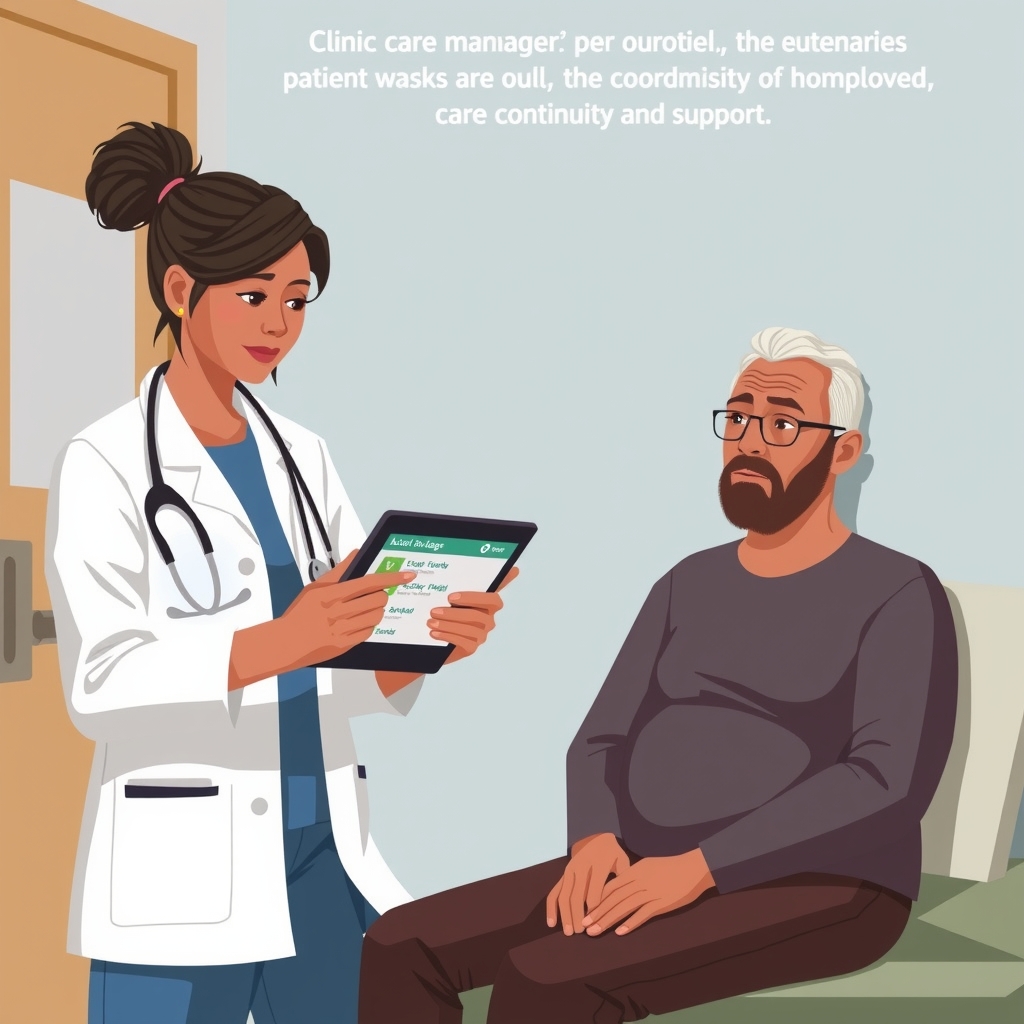
Operationally, the data inform staffing, outreach timing, and supply forecasting (e.g., wound supplies, vaccines, harm‑reduction kits). For managers focused on revenue and contract performance, understanding local homelessness trends helps anticipate impacts under value‑based care contracts where unaddressed social needs increase total cost of care and risk adjustment complexities.
Practical Steps: Screening, EHR Systems, and Partnerships
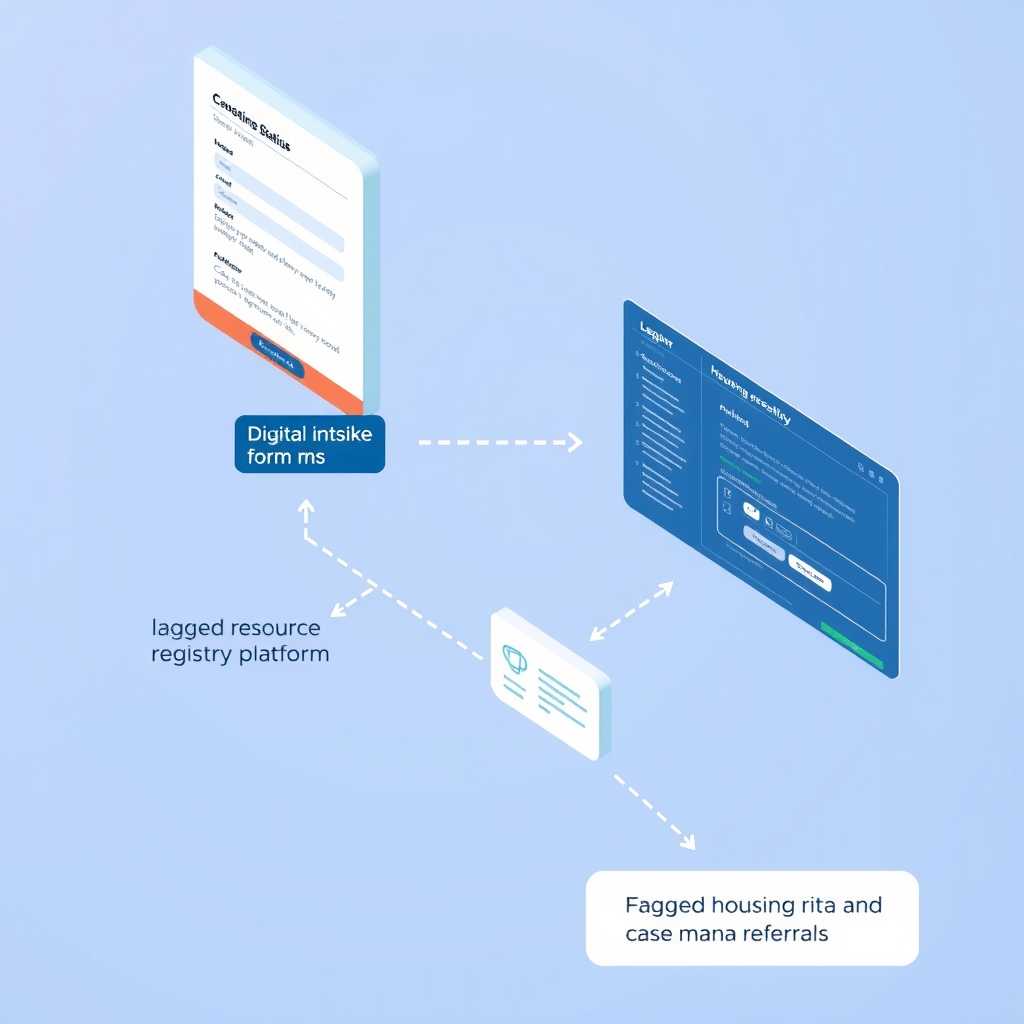
Start with standardized social determinants of health screening embedded in intake workflows. Configure EHR systems to capture housing status discreetly and flag recurrent gaps in care so care managers can prioritize outreach. Integrations with community resource registries and digital health referral platforms reduce manual work and close referral loops faster.
Leverage partnerships: coordinate with local shelters, mobile outreach teams, and social service agencies to align clinic hours and locations with peak need. Consider pilot projects using AI in healthcare to triage high‑risk patients from EHR data and claims, but start with clear governance and measurable outcomes tied to value‑based care goals.
Actionable takeaways
- Embed a one‑question housing status field in your EHR systems and use it to trigger case management referrals.
- Align clinic outreach with local Point‑in‑Time trends—deploy mobile visits or evening hours where unsheltered counts are rising.
- Pilot a focused digital health referral workflow and assess impact on missed visits and total cost under value‑based care contracts.
Bottom line: HUD PIT findings are operationally useful for clinics when translated into simple workflows, EHR flags, and community partnerships. Integrating basic digital health tools and exploring AI in healthcare for risk stratification can amplify limited staff capacity, but only alongside clear metrics tied to revenue and quality goals.
For clinic leaders, start small: a single EHR field, one local partnership, and one measurable pilot aligned to value‑based care metrics. Those steps improve patient care continuity for people experiencing homelessness and protect clinic revenue by reducing avoidable utilization.
Leave a Reply