
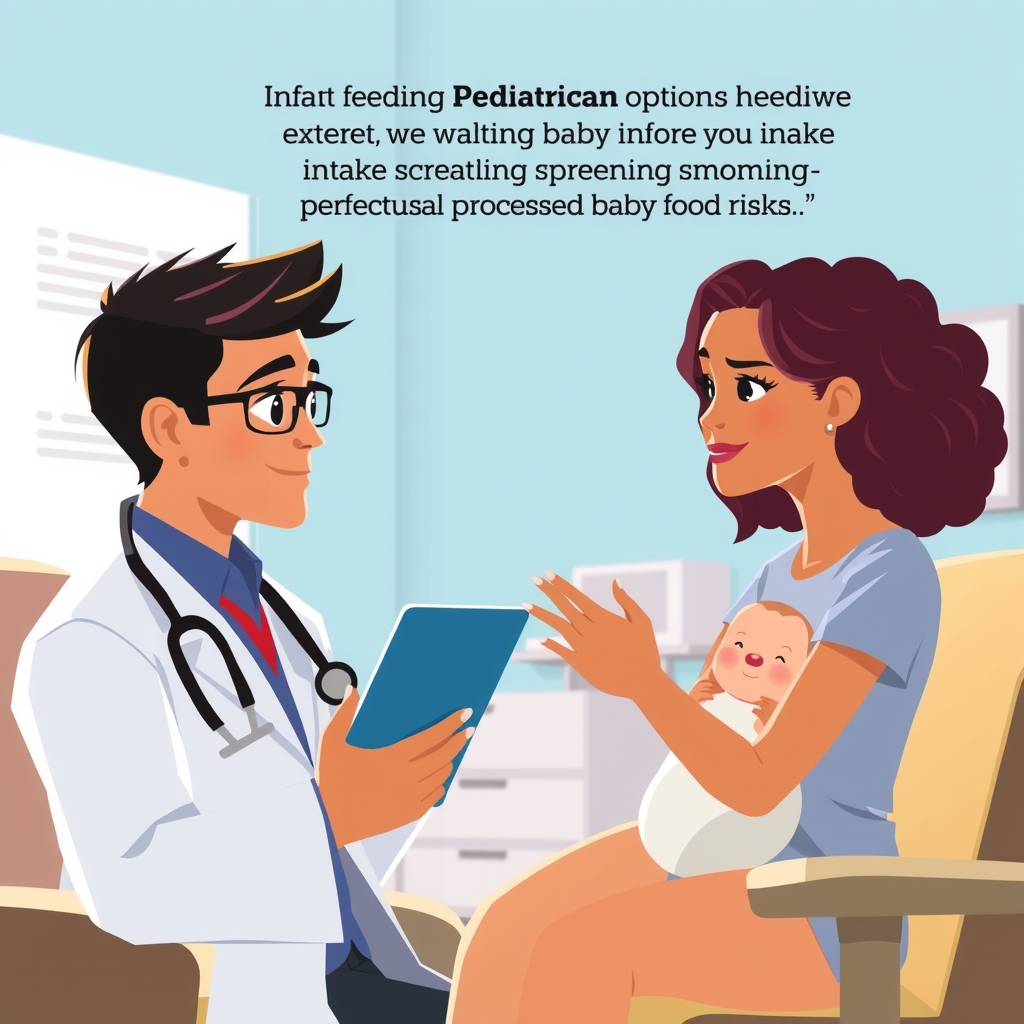
Ultra-processed baby foods are booming despite mounting safety and nutrition concerns. For busy clinicians, this trend already affects visit content, coding, and the care pathways practices must offer to families.
Why this matters for clinics and practice revenue
Rising parental use of ultra-processed infant products drives more counseling time on growth, allergies, and feeding schedules—services that can be billable but often go undocumented. Regulatory scrutiny and recalls (like recent FDA advisory activity) also create spikes in urgent consults and vaccine catch‑ups after outbreaks, affecting clinic throughput and staffing.
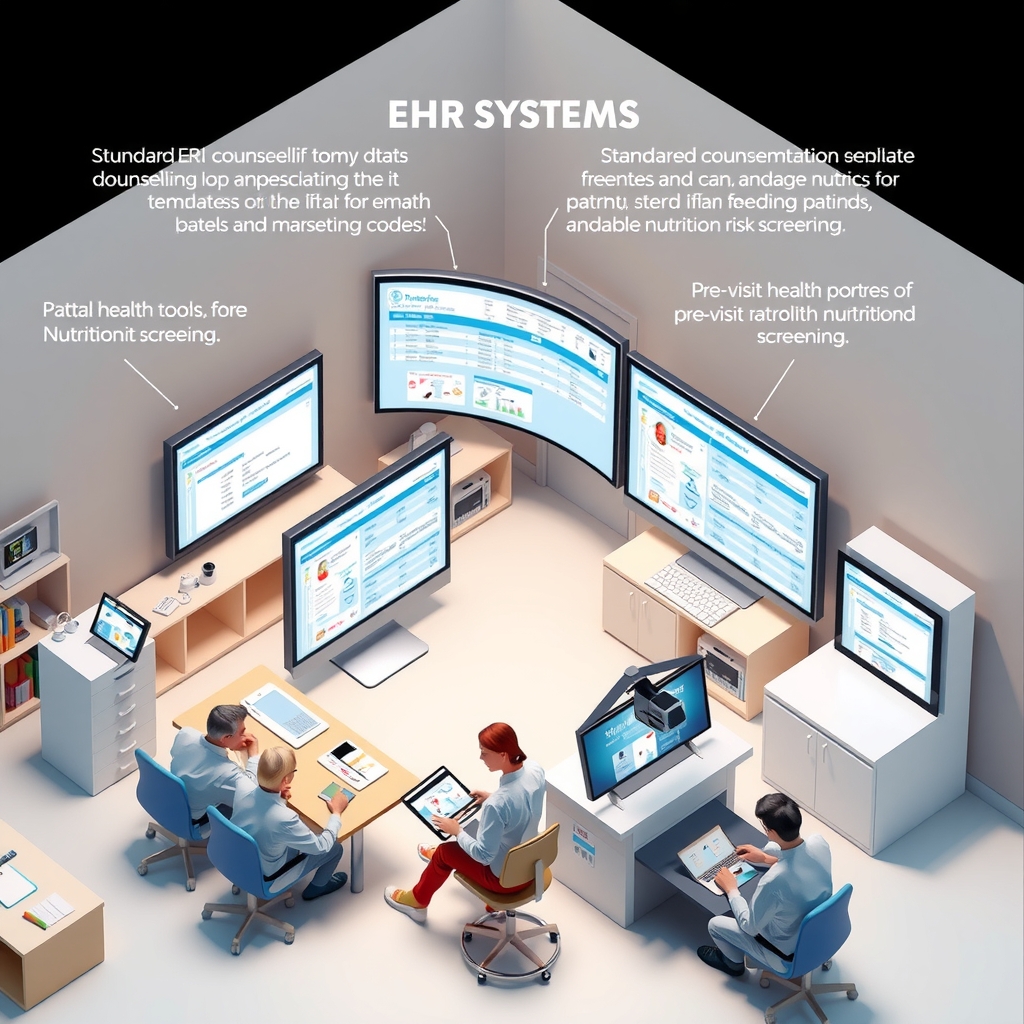
Operationally, practices face supply-chain questions (what to recommend or stock), increased phone triage, and longer well-child visits. These pressures intersect with broader digital transformations: EHR systems must capture nutrition counseling, digital health tools can triage feeding concerns, and value-based care contracts reward documented preventive counseling that reduces future utilization.
Practical steps to protect patients and the practice
Start by standardizing documentation templates in your EHR systems to capture infant feeding assessments, counseling time, and anticipated follow-ups. This creates billable, auditable encounters and supports quality metrics for value-based care. Use short digital intake screens for parents (via portals or tablet) to flag use of ultra-processed products before the visit.
Leverage AI in healthcare thoughtfully: deploy validated clinical decision support or natural-language tools to surface nutrition red flags in notes and prompt counseling. Integrate digital health resources—trusted handouts, referral links to nutritionists, and follow-up text reminders—to offload repeated counseling from clinicians and keep families engaged between visits.
- Update EHR templates to include feeding type, processed-food flags, counseling, and billing codes for anticipatory guidance.
- Deploy digital screening via patient portals or tablets to triage nutrition risks before the visit.
- Use AI and referrals to identify high-risk cases and route them to dietitians or care managers, aligning with value-based care goals.
These steps reduce uncoded clinician time, improve revenue capture, and position practices to meet payers’ preventive-care metrics. Digital health solutions and EHR-integrated workflows are key to scaling counseling without burning staff out.
Conclusion: Ultra-processed baby-food trends are more than a pediatric issue—they’re an operational challenge that influences visit mix, documentation, and revenue. Prioritize EHR adjustments, digital screening, and targeted use of AI in healthcare to protect patients and align practice workflows with value-based care incentives.
Leave a Reply