
Policy shift in 2025 and immediate clinic impacts
KFF’s interactive map shows a clear increase in states restricting abortion coverage across Medicaid, private insurance, and ACA exchange plans. For busy providers, this isn’t only a legal or ethical story—it immediately changes who pays, how care is documented, and how clinics must operate day to day.
Expect quicker prior authorization denials, changes in patient out-of-pocket responsibilities, and more fragmented referral pathways. That increases administrative burden and can slow revenue cycles unless workflows are updated.

Operational fixes: revenue, tech, and care models to protect clinic margins
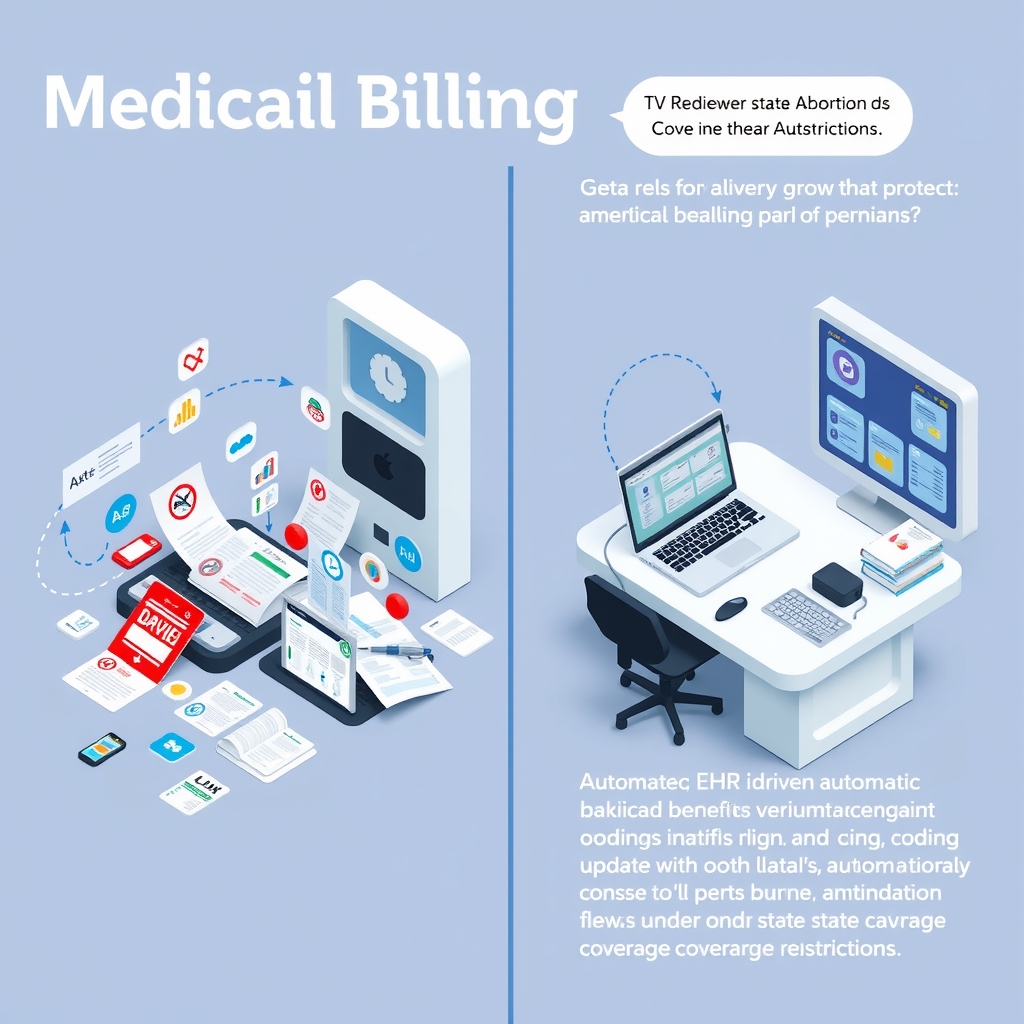
Revenue impact comes from shifts in payer mix (greater self-pay or charity care) and added denial rates for services tied to abortion-related care or counseling. Clinics should audit claims tied to reproductive services and update coding policies in EHR systems to reflect state-specific coverage limits and exceptions so denials drop and billing is accurate.
Leverage digital health and AI in healthcare to reduce administrative overhead: automated benefits verification, intelligent prior-auth workflows, and telehealth triage can preserve visit volume and speed reimbursements. Integrating these solutions with EHR systems ensures documentation supports medical necessity and telemedicine visits that may cross state lines follow legal and payer rules. Also align population-health efforts with value-based care contracts by tracking outcomes and social determinants that exemptions and restrictions disproportionately affect.
- Audit and update EHR templates: Standardize clinical notes and problem lists to capture coverage exceptions and medical necessity for reproductive services.
- Deploy targeted digital health tools: Use benefits verification and teletriage to reduce denials and maintain access while minimizing front-desk friction.
- Use AI in healthcare for revenue ops: Implement AI-driven coding and denial-prediction models to prioritize appeals and speed up collections.
These steps protect revenue and care continuity while complying with shifting state rules. They also position clinics to meet value-based care targets by proactively managing risk, documenting outcomes, and reducing preventable delays.
Conclusion: The KFF map is a prompt to act now—operationalize legal changes through your EHR systems, adopt digital health workflows, and apply AI to reduce administrative drag. Quick audits, tech fixes, and tighter clinical documentation will protect margins and patient access as state policies continue to evolve.
Leave a Reply