
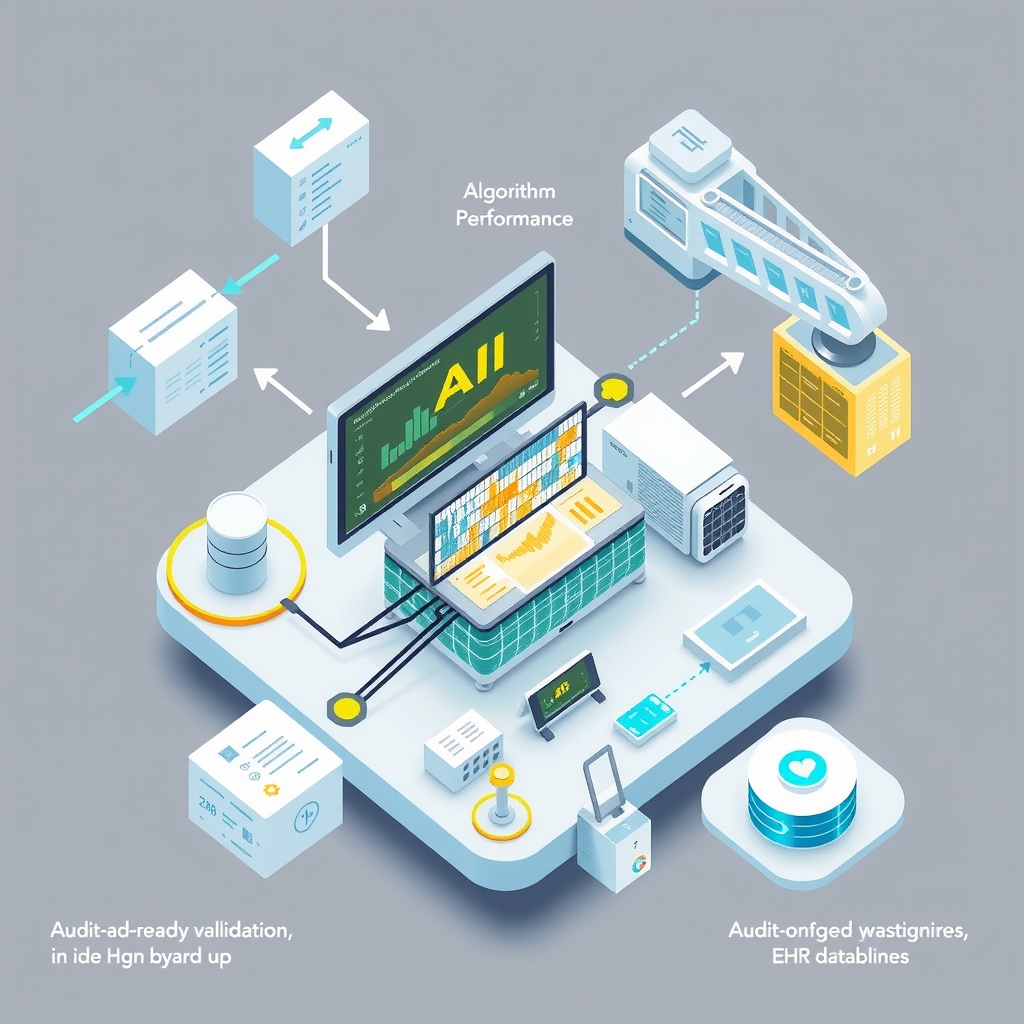
HHS is convening experts to set standards for clinical AI — a move that will shape how clinics adopt and govern algorithmic tools. Busy providers should understand immediate operational effects on workflows, EHR integrations, and revenue under value-based care and fee-for-service contracts.
What the HHS convening changes for clinical AI adoption
The HHS effort aims to create baseline expectations for safety, transparency, and interoperability of AI used in clinical settings. For clinics, that means upcoming guidance could standardize documentation requirements, reporting of algorithm performance, and minimum integration behaviors with EHR systems — reducing variability between vendors.
Regulatory clarity typically accelerates procurement cycles but raises short-term compliance costs: expect vendor updates, new validation tasks, and revised vendor contracts. Clinics that plan procurement around these standards can avoid rework and negotiate for stronger support on model monitoring and audit trails.

Operational and revenue impacts to prioritize now
Operationally, the biggest demands will fall on EHR systems and clinical workflows. Integrating AI outputs into clinician workflows without creating alert fatigue requires clear UI/UX expectations and standardized data exchange formats — both likely to be on HHS’s agenda. Clinics should map current workflows to identify where AI inputs will land and who owns validation and override decisions.
On revenue, standards influence payer acceptance, quality metrics, and risk contracts under value-based care. Demonstrable, auditable performance — not vendor marketing — will be necessary to support billing codes, utilization management, and quality bonuses. Early alignment with digital health partners and payers on metric definitions can protect revenue streams and reduce denials tied to AI-assisted decisions.
- Audit-ready validation: Require vendors to provide validation datasets, performance metrics, and update logs to simplify compliance and payer conversations.
- EHR integration checklist: Define data flows, alert thresholds, and documentation fields now to avoid workflow disruption when standards land.
- Tie AI to value metrics: Negotiate contracts that link AI use to agreed quality measures and shared savings to protect revenue under value-based care.
HHS’s convening is a signal: clinical AI is moving from pilots to governed clinical tools. Clinics that act now — aligning procurement, EHR strategy, and payer conversations — will minimize disruption and capture upside in digital health transformation.
Leave a Reply