
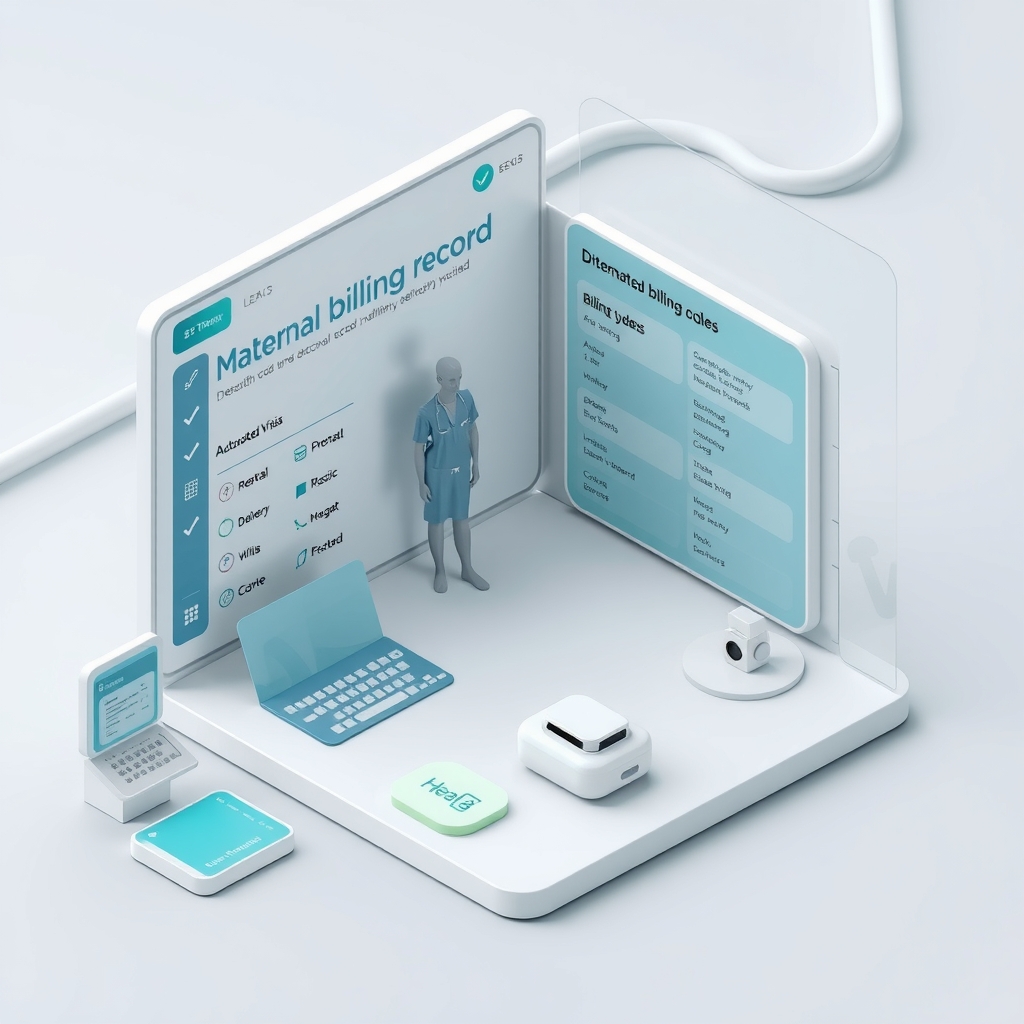
ACOG’s move away from bundled “global” maternal billing toward discrete maternity codes forces clinics to rethink workflows and revenue forecasting. For busy providers, the change is an opportunity to improve transparency, patient communication, and coding accuracy without adding administrative drag.
What changed and why it matters
The new codes separate prenatal, delivery, and postpartum services that were previously bundled under a global maternity payment. That shift aligns payments with discrete encounters and services, making revenue recognition more granular and exposing gaps in documentation and scheduling.
Clinics should view this not just as a billing update but as a redesign moment for care pathways. Transparent billing supports patient trust, simplifies financial counseling, and better connects maternal care to broader value-based care goals by making outcomes and costs trackable.

Operational changes to protect revenue and improve care
Start with EHR systems: map the new codes to visit types, orders, and discrete documentation templates so claims generation is automated and auditable. Review scheduling rules to ensure visits that trigger separate billable services (e.g., late prenatal consults, postpartum checks) are captured instead of folded into a vague global visit.
Leverage digital health and AI in healthcare to reduce administrative lift. Use remote-monitoring data and telehealth encounters with clear billing markers; deploy AI-assisted coding and clinical decision support to flag missing elements that would deny or downcode claims. Align these operational fixes with your clinic’s value-based care initiatives to tie quality metrics to the newly visible revenue streams.
- Audit and map codes in the EHR: Run a two-week audit of scheduled prenatal and postpartum visits to ensure each maps to a billable code and update templates where gaps appear.
- Integrate digital tools: Enable telehealth and remote-monitoring workflows with explicit billing flags; use AI in healthcare for coding suggestions to reduce denials and speed claims processing.
- Train front-line staff quickly: One-pagers for schedulers and MAs, plus a short coder session, will prevent revenue leakage during the transition to discrete billing.
Two short operational priorities deliver outsized returns: ensure your EHR systems enforce correct code selection, and deploy lightweight AI-assisted checks to catch documentation gaps before claims run. Both protect revenue and support better patient conversations about out-of-pocket costs.
Conclusion: Treat the end of global maternity billing as a systems upgrade. With targeted EHR mapping, digital health integration, and focused staff training, clinics can stabilize revenue, reduce denials, and make maternal care more transparent—supporting clinicians, patients, and value-based care goals alike.
Leave a Reply