
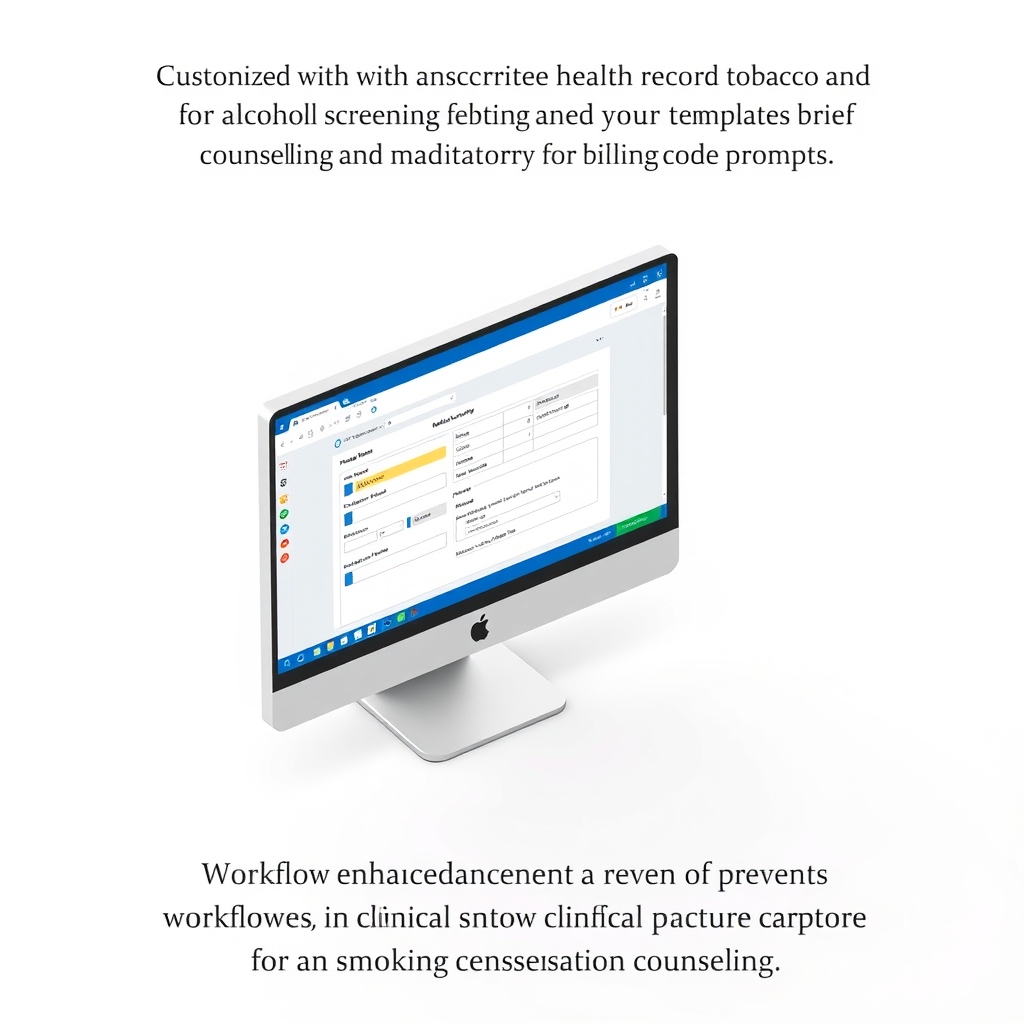
A proposed Medicare update would raise reimbursement by about 19% for clinicians who provide counseling for tobacco and alcohol cessation during visits. For busy practices, that change could meaningfully affect visit coding, workflow and revenue capture.
What the Medicare change means for clinic operations and revenue
A higher rate for counseling services increases per-visit revenue without requiring new procedures or capital investments. Practices that already deliver brief behavioral counseling can convert more of that activity into billable encounters; small clinics may see margins improve when counseling is bundled into chronic care visits.
Operationally, the change nudges clinics to standardize screening and documentation so counseling is captured consistently. That requires tweaks to scheduling templates, training for clinicians and coders, and quality tracking—changes that pay off faster for organizations aligned with value-based care models.
How to operationalize: EHR workflows, digital health and AI tools
Start with EHR systems: build discrete fields for tobacco and alcohol screening, create smart templates for brief counseling, and add mandatory prompts that guide billing codes. Configuring problem lists and visit templates to flag eligible patients ensures fewer missed billing opportunities and cleaner audit trails.
Layer in digital health and AI in healthcare to scale counseling without stretching clinician time. Automated patient messaging, asynchronous coaching apps, and AI-driven documentation tools can populate counseling notes and suggest appropriate codes for review. These approaches support population health goals and strengthen performance under value-based care contracts by documenting prevention interventions that reduce downstream costs.
This reimbursement shift is both a revenue play and a quality lever: it rewards preventive counseling that improves outcomes and aligns with broader digital health investments. Clinics that act deliberately—updating EHR workflows, training staff, and adopting selective AI tools—will capture revenue reliably and improve chronic disease trajectories.
- Tweak your EHR now: add screening prompts and a counseling template to capture billable time during routine visits.
- Use digital follow-up: deploy asynchronous coaching or referral pathways to extend counseling without extra clinician minutes.
- Audit and iterate: run monthly reports on counseling capture to optimize coding and support value-based care metrics.
For providers juggling patient panels and margins, this is a low-friction revenue opportunity that dovetails with preventive care priorities. Implement the small tech and workflow changes now to maximize both reimbursement and patient outcomes while keeping pace with trends in AI in healthcare and broader digital health adoption.
Leave a Reply