
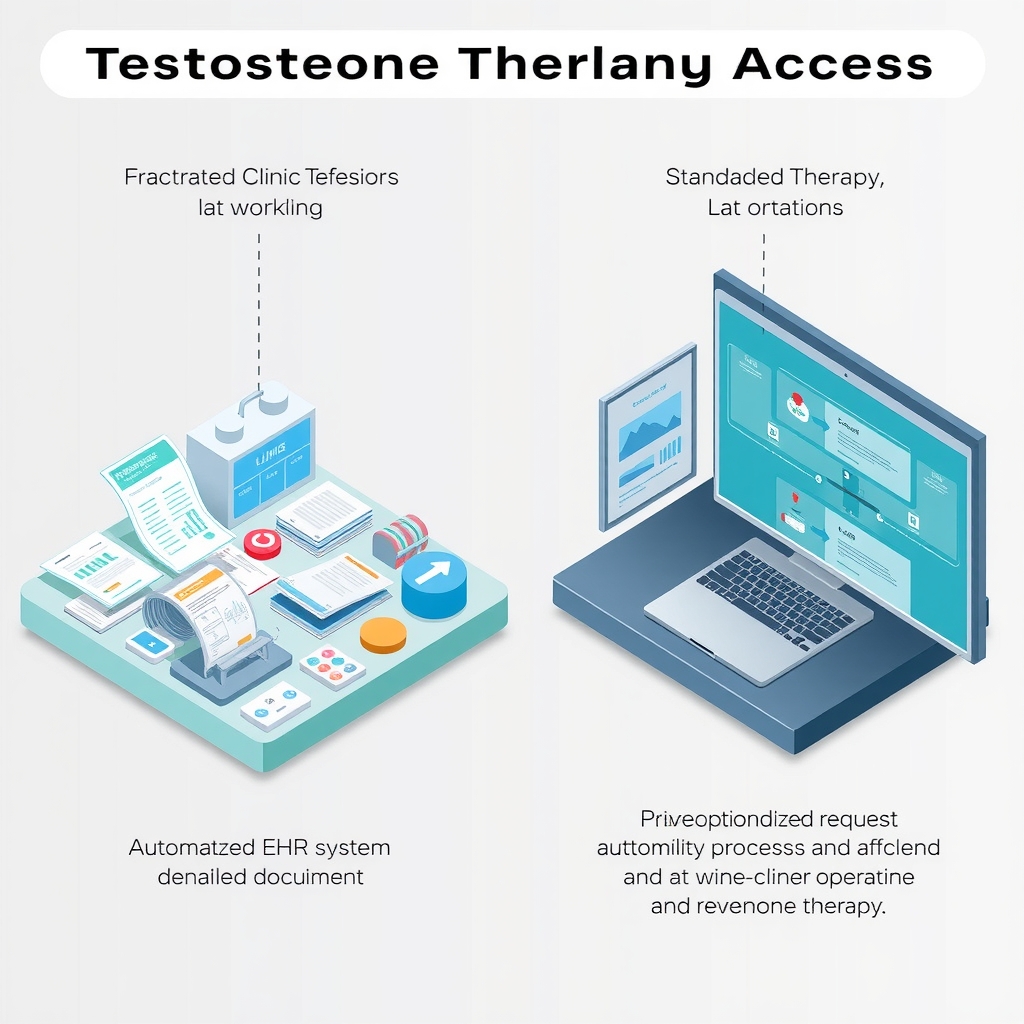
Access to testosterone hormone medication in the United States is uneven—shaped by state rules, payer policies, and the clinical indication. For busy clinic leaders, understanding who qualifies, how telehealth and specialty services fit in, and the operational burden of monitoring is critical to both patient care and clinic revenue.
Who can get testosterone and where access differs

Testosterone is prescribed for several populations: cisgender men with hypogonadism, some older adults with symptomatic low testosterone, and people pursuing gender-affirming care (transmasculine patients). Eligibility hinges on clinical guidelines, lab-confirmed low testosterone, and—often—payer-specific criteria like documented symptoms or failed conservative management.
Access varies by state and insurer. Many private plans and Medicare Advantage require prior authorization or specific documentation; Medicaid programs differ by state. Telemedicine platforms and direct-to-consumer clinics have expanded availability, but they also raise questions about continuity of care, appropriate monitoring, and legal compliance—matters that affect both quality and liability.
What clinics should change operationally — and how it affects revenue
Operationally, testosterone prescribing increases demand for lab services (baseline total testosterone, LH/FSH, hematocrit), follow-up visits, and documentation. Clinics that standardize order sets in their EHR systems and build monitoring workflows capture revenue from testing and visits while reducing safety risks. Conversely, fragmented workflows, poor documentation, or missed labs can lead to claim denials, compliance risks, and adverse events that harm reputation and finances.
Digital health tools and AI in healthcare can streamline care: decision support embedded in EHR systems flags eligibility, automates prior-authorizations, and reminds clinicians about monitoring intervals. Remote patient monitoring and telehealth extend reach to rural populations but require robust protocols to align with value-based care goals—lowering complications and readmissions while justifying bundled payments. Clinics that integrate these technologies often see higher visit volumes, better adherence, and fewer billing denials.
Actionable takeaways
- Build standardized EHR templates and order sets for testosterone initiation and monitoring to reduce denials and safety lapses.
- Leverage telehealth and digital health platforms for follow-ups, but require baseline labs and a clear monitoring protocol to maintain quality.
- Pilot AI in healthcare tools to automate prior authorization and patient reminders; track outcomes to support value-based care contracts.
Conclusion: Testosterone access is expanding but uneven, creating both clinical responsibilities and financial opportunities for clinics that prepare. Investing in EHR systems, digital health workflows, and targeted AI tools reduces risk, improves patient safety, and aligns services with value-based care incentives—turning a complex service line into a reliable part of clinic operations and revenue.
Leave a Reply