
STAT+ reports HHS recently convened mental health experts in a private meeting to develop guidance on stopping SSRIs. For busy clinic leaders, that could mean fast-moving clinical, documentation and billing changes you need to plan for now.
What the HHS effort means for frontline care
A national push to formalize SSRI deprescribing and withdrawal guidance will change care pathways: expect new screening, taper protocols and intensified monitoring. Practices should anticipate more frequent follow-ups during tapers, increased behavioral health handoffs, and clearer informed-consent documentation requirements tied to safety metrics.
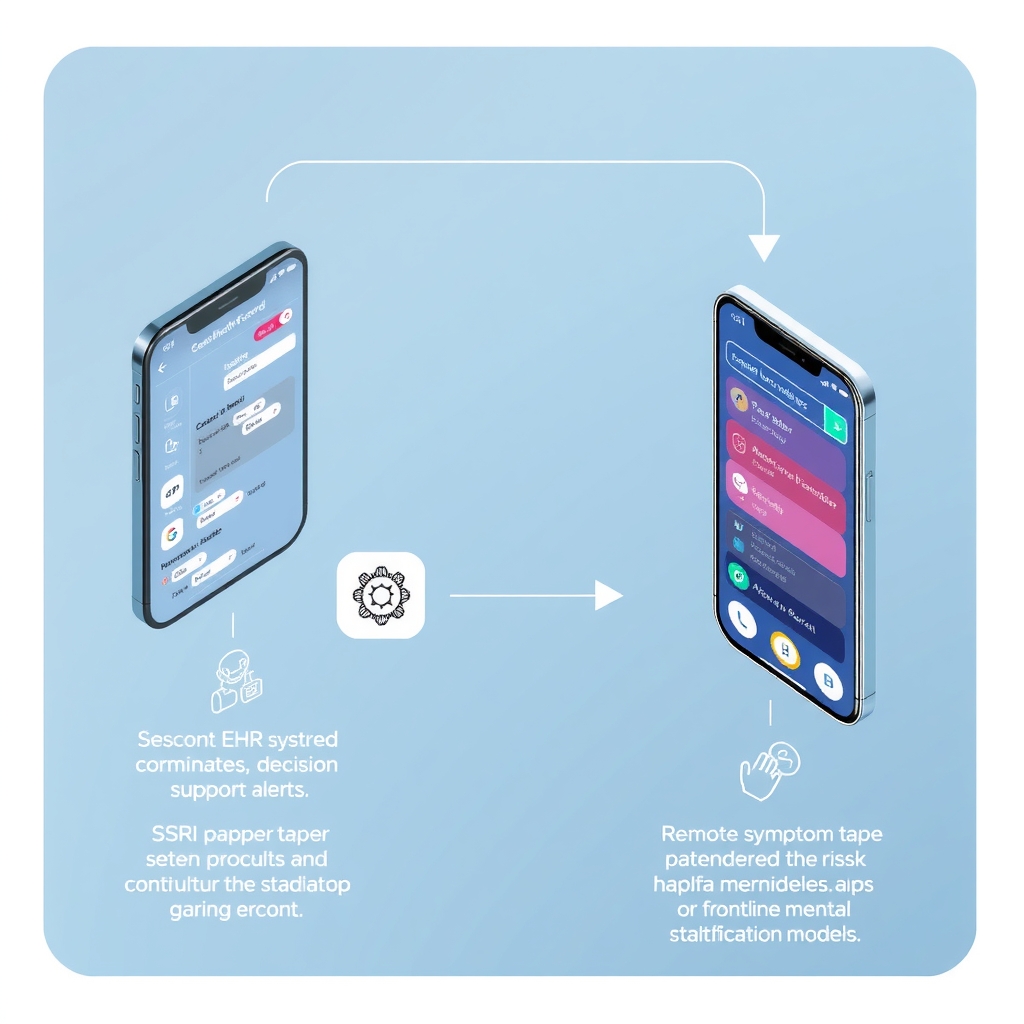
This shift intersects with digital health and AI in healthcare opportunities—remote symptom tracking apps, automated taper reminders and risk stratification models can reduce clinic burden if integrated thoughtfully. But without workflow redesign, those tools may add clicks and correlate with lower throughput.

Operational and revenue implications for clinics
EHR systems will need updates: new order sets, structured taper templates, consent fields, and decision support alerts tied to withdrawal risk. Build these into your EHR early—standalone checklists or scanned notes won’t satisfy quality reporting if HHS ties guidance to measures used in value-based care contracts.
Financially, expect a mixed impact. Short-term visit volumes may rise as patients require closer supervision during discontinuation, which can increase billable evaluation and management codes or behavioral health visits. Over the longer term, reduced medication costs and improved outcome metrics could favor clinics in value-based care arrangements—but only if you capture care activities with the right codes and EHR documentation.
- Implement EHR templates now: add taper order sets, withdrawal monitoring flowsheets and discrete fields for consent to support reporting and billing.
- Leverage digital health for monitoring: enroll patients in symptom-tracking apps and telehealth check-ins to reduce in-clinic load and document remote care.
- Use AI tactically: deploy risk-stratification models to prioritize high-risk patients for in-person visits and align workflows with value-based care incentives.
Preparing staff education, updating clinical decision support and mapping new workflows into scheduling and billing will minimize disruption. Coordinate with your EHR vendor and population-health teams to pilot templates and automated reports tied to deprescribing measures.
Conclusion: HHS’s move on SSRI deprescribing—reported by STAT+—is a near-term operational reality that affects clinical protocols, EHR systems, and revenue levers. Act now on EHR updates, digital health integration and documentation workflows to protect patient safety and your clinic’s financial performance as guidance rolls out.
Leave a Reply