

The STAT+ coverage of a new study reporting that OpenEvidence outperformed general-purpose LLMs is a practical signal for clinics weighing AI investments. For busy providers, the takeaway is simple: specialized, evidence-backed models can change workflows and revenue levers faster than one-size-fits-all tools.
What the study shows and why specialization matters
The research found that OpenEvidence delivered more accurate, clinically aligned answers than large general LLMs on domain-specific questions—especially when the task required citation, provenance and updates. That matters in AI in healthcare because the costs of errors include clinician time, patient risk and downstream billing problems.
Specialized models often combine retrieval-augmented generation, curated medical sources, and governance layers, reducing hallucinations and improving traceability. For digital health teams, this suggests prioritizing models that integrate evidence pipelines over generic chat tools.
Clinic operations and revenue implications
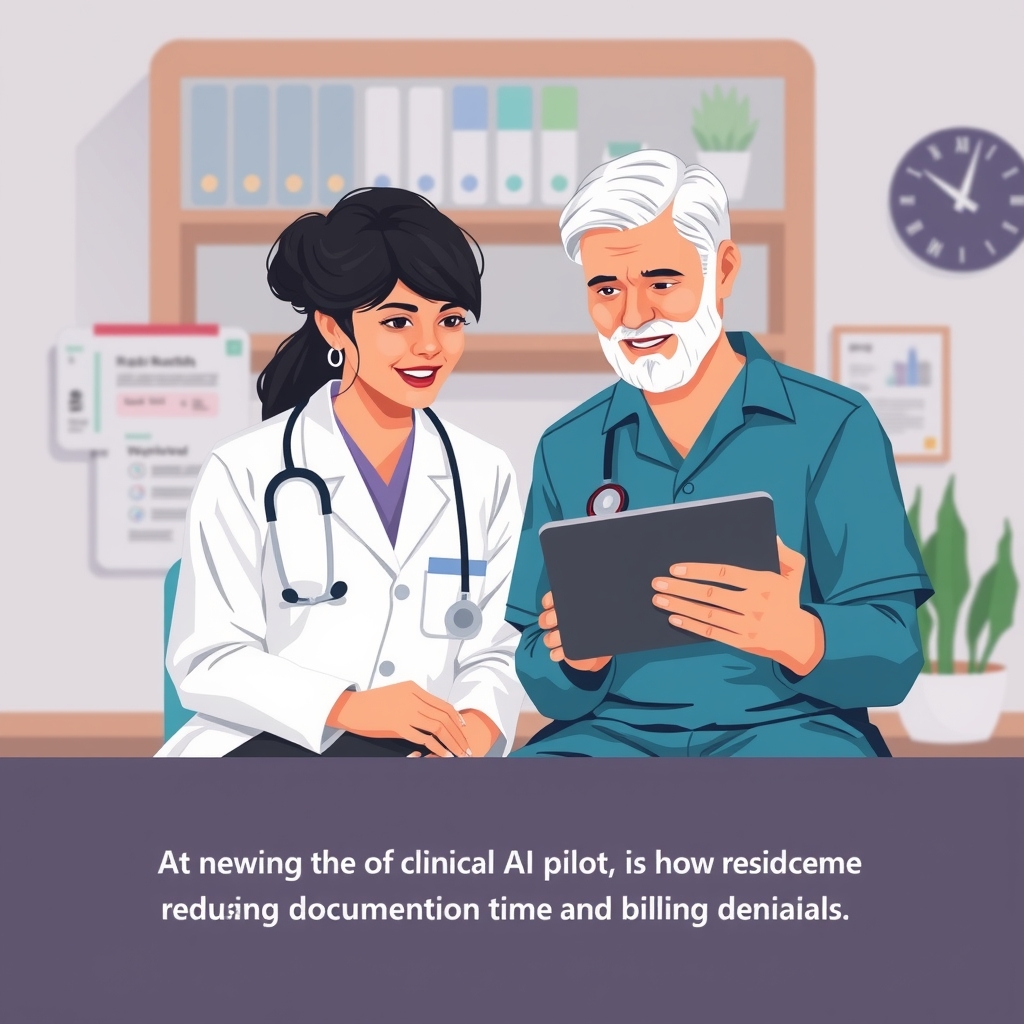
Operationally, a validated specialist model can shave documentation time, streamline prior authorization and improve coding accuracy when integrated with EHR systems — all of which free clinician hours and cut administrative overhead. Those gains translate directly into capacity for more visits or higher-quality care activities tied to value-based care contracts.
On revenue, fewer coding denials and more defensible clinical decisions affect collections and risk adjustment. But realize this isn’t plug-and-play: integrations, monitoring, and legal/compliance reviews are required upfront. Clinics should run parallel pilots and measure both clinical concordance and billing outcomes before broad rollout.
Conclusion:
The STAT+ story is a reminder that model provenance and domain fit matter for providers. Evaluating AI choices through the lenses of EHR systems integration, clinical traceability and digital health strategy will reduce risk and accelerate measurable gains.
- Pilot with metrics: Run a short trial that tracks documentation time, denial rates and clinician satisfaction before committing to scale.
- Prefer evidence-backed models for clinical tasks and require source citations for any decision support used in care.
- Plan EHR systems integration early: map data flows, access controls, and monitoring to protect revenue and patient safety.
Leave a Reply