
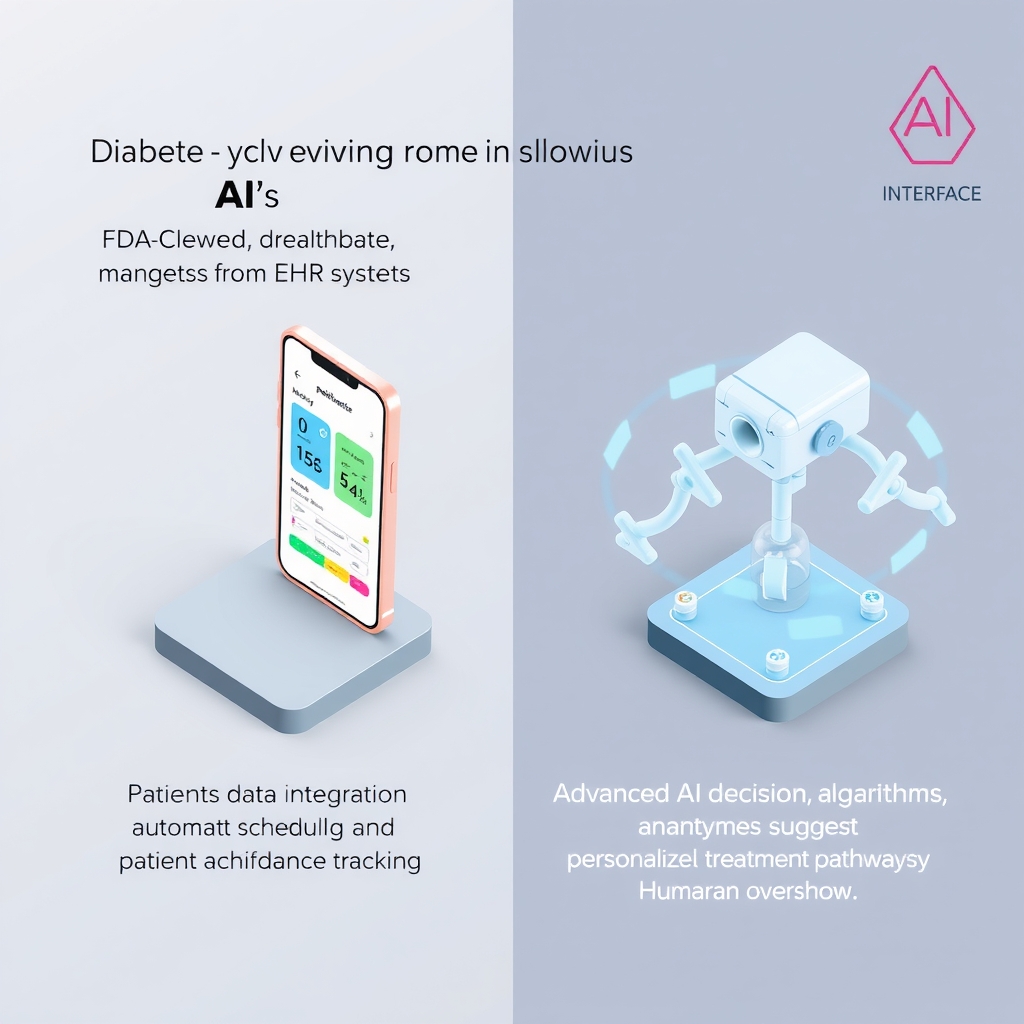
A recent FDA clearance for a diabetes management app has ignited a crucial discussion within the healthcare community: is Artificial Intelligence primarily an interface enhancing patient and provider interaction, or is it poised to become a direct decision-maker in clinical care? This pivotal moment in AI in healthcare forces us to re-evaluate the boundaries and responsibilities as digital solutions integrate deeper into daily practice, impacting everything from patient engagement to provider workflow and ultimately, revenue. Understanding this distinction is vital for every healthcare provider navigating the rapidly expanding landscape of health technology.
AI as a Transformative Interface in Clinical Operations
The primary utility of large language models and other AI applications currently centers on their ability to act as sophisticated interfaces, streamlining administrative burdens and enhancing communication. For busy clinicians, this means AI can interpret complex patient data from EHR systems, automate appointment scheduling, generate initial drafts of clinical notes, and even personalize patient education materials. Such tools liberate providers from time-consuming tasks, allowing them to focus more on direct patient care, thereby improving operational efficiency and patient satisfaction scores, which are increasingly tied to reimbursement models.
In this capacity, digital health platforms powered by AI excel at connecting patients with their treatment plans, offering reminders, and providing easily digestible information based on physician input. The FDA-cleared diabetes app exemplifies this, functioning as a smart conduit that helps patients adhere to doctor-defined regimens. This interface role enhances the patient experience, encourages proactive health management, and offers providers a clearer, real-time view of patient adherence without direct intervention, paving the way for more responsive and effective care delivery.
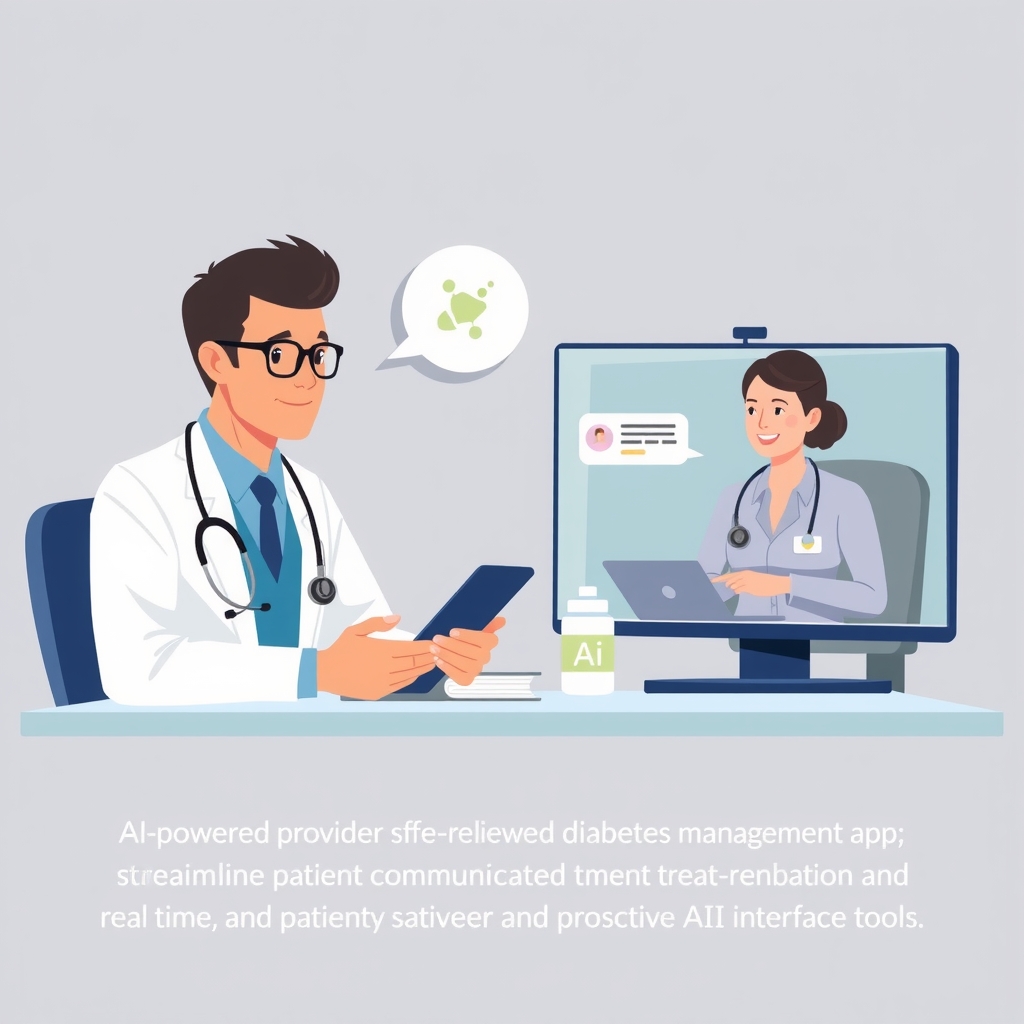
Navigating AI’s Shift Towards Clinical Decision Support and Beyond
While AI as an interface is well-established, the discussion now extends to its potential as a decision-maker or at least a highly influential decision-support tool. Advanced AI algorithms, analyzing vast datasets from EHR systems, can identify subtle patterns, predict disease progression, and suggest personalized treatment pathways that might escape human detection. This analytical power is particularly compelling in the context of value-based care, where optimizing patient outcomes while controlling costs is paramount. The ethical and regulatory challenges, however, become significantly more complex when AI moves beyond mere suggestion to prescriptive action, demanding robust validation and transparent methodologies.
The question isn’t whether AI *can* make decisions, but whether it *should*, and under what level of human oversight. The recent FDA clearance, while focused on patient adherence *to a doctor’s plan*, opens the door to discussions about the next generation of devices where AI might dynamically adjust treatment parameters. For providers, understanding this trajectory means preparing for tools that offer more than data presentation; they will offer data-driven recommendations that could fundamentally alter clinical workflows and accountability. Establishing clear guidelines and maintaining ultimate human accountability will be critical as these technologies mature.
Actionable Takeaways for Providers:
- Embrace AI as an Efficiency Interface: Actively seek out AI tools that streamline administrative tasks and improve patient engagement within your current workflows to free up valuable time.
- Understand AI’s Decision Support Limits: Differentiate between AI providing insights and AI making direct clinical decisions. Always maintain clinical judgment and oversight.
- Advocate for Transparency and Training: Demand clear explanations of how AI tools function and participate in training to maximize their benefits and mitigate risks in your practice.
The ongoing evolution of AI in healthcare presents both incredible opportunities and profound questions. As AI increasingly permeates digital health, providers must remain at the forefront, not just as users but as informed participants in shaping its responsible and effective integration. Ultimately, the future of AI will likely involve a blend of both roles, with AI serving as an indispensable interface that intelligently supports, but does not replace, the nuanced decision-making of human clinicians.
Leave a Reply