
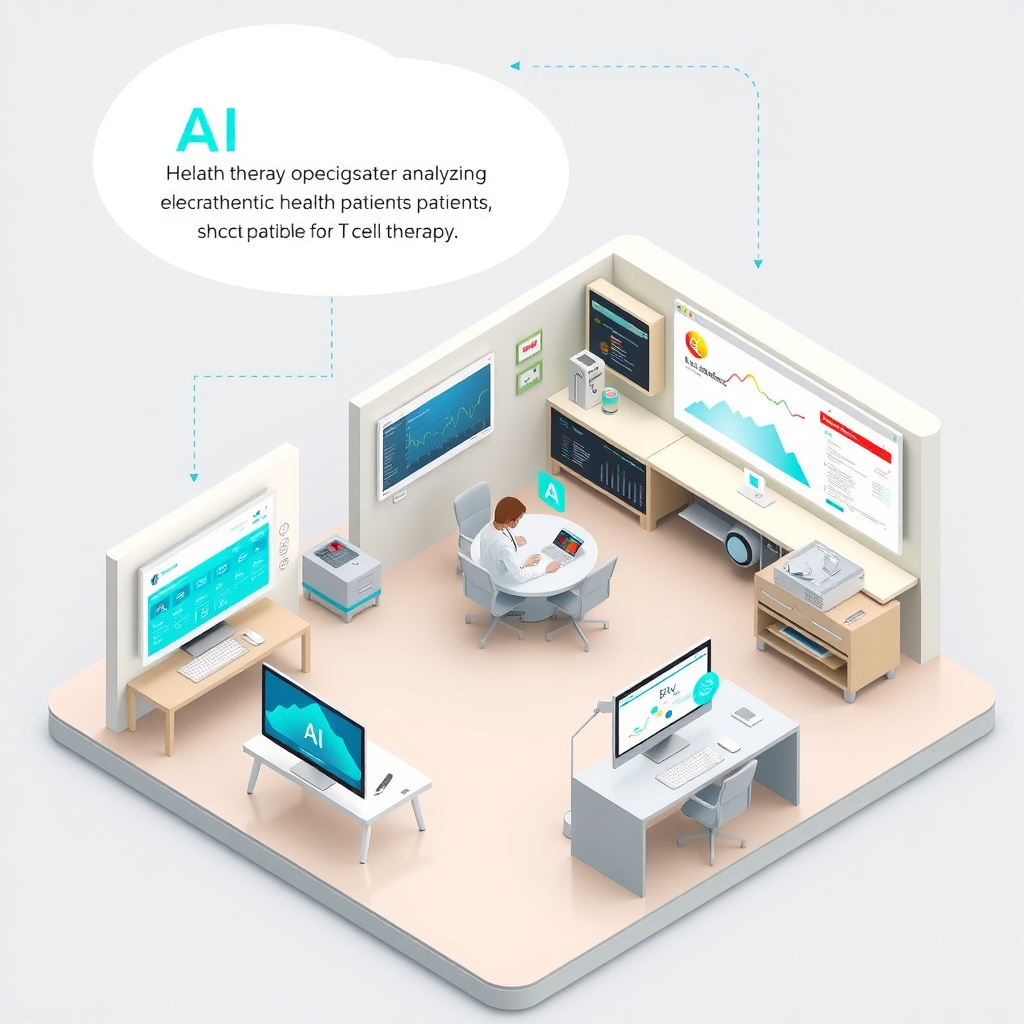
Streamlining Operations with Digital Health and EHR Systems
The introduction of highly specialized therapies like T-cell treatments profoundly impacts clinic operations, demanding meticulous planning from patient identification to long-term follow-up. Providers must develop robust pathways for patient selection, referral management, and treatment scheduling, which can be immensely complex. Effective integration hinges on modern infrastructure, with EHR systems serving as the central nervous system for documenting intricate protocols, tracking patient progress, and ensuring seamless communication across care teams.
Digital health tools further enhance operational efficiency by facilitating remote patient monitoring, medication adherence tracking, and patient education before, during, and after therapy. These technologies can significantly reduce administrative burden, improve patient engagement, and ensure timely interventions, all critical for managing the high-acuity patient population associated with T-cell therapies. Furthermore, AI in healthcare offers a powerful layer of support, with algorithms capable of analyzing EHR data to identify suitable candidates for advanced therapies, optimize scheduling, and even predict potential complications, thereby enhancing clinical decision-making and resource allocation.

Navigating Revenue and Value-Based Care with Advanced Therapies
The financial implications of advanced therapies are substantial, often involving high costs and complex reimbursement landscapes. Providers must adapt their billing and coding practices to account for new procedures and drugs while simultaneously demonstrating the therapeutic value to payers. Integrating such therapies successfully into the revenue cycle necessitates a deep understanding of evolving payment models and robust data collection to justify costs.
This is where value-based care principles become paramount. By meticulously tracking patient outcomes, quality metrics, and cost-effectiveness through EHR systems and digital health platforms, providers can articulate the true value of these treatments. AI in healthcare can play a pivotal role here, analyzing real-world data to generate evidence of efficacy, predict long-term cost savings, and support negotiations with insurers, ultimately strengthening the provider’s position in a value-based care framework.
Effectively integrating novel therapies requires a proactive approach to operational readiness, financial planning, and technology adoption. Healthcare providers must leverage AI in healthcare, robust EHR systems, and comprehensive digital health solutions to navigate these advancements successfully within a value-based care environment. This strategic integration not only improves patient outcomes but also ensures the financial viability and operational efficiency of the clinic.
- Actionable Takeaway 1: Assess and upgrade your EHR systems to efficiently document and manage new, complex therapy protocols, including detailed patient pathways and outcomes.
- Actionable Takeaway 2: Explore AI in healthcare and digital health tools for patient identification, operational optimization, and remote monitoring to enhance efficiency and patient support for specialized treatments.
- Actionable Takeaway 3: Proactively evaluate the financial models and reimbursement strategies for advanced therapies, leveraging data to demonstrate value within value-based care frameworks.
Leave a Reply