
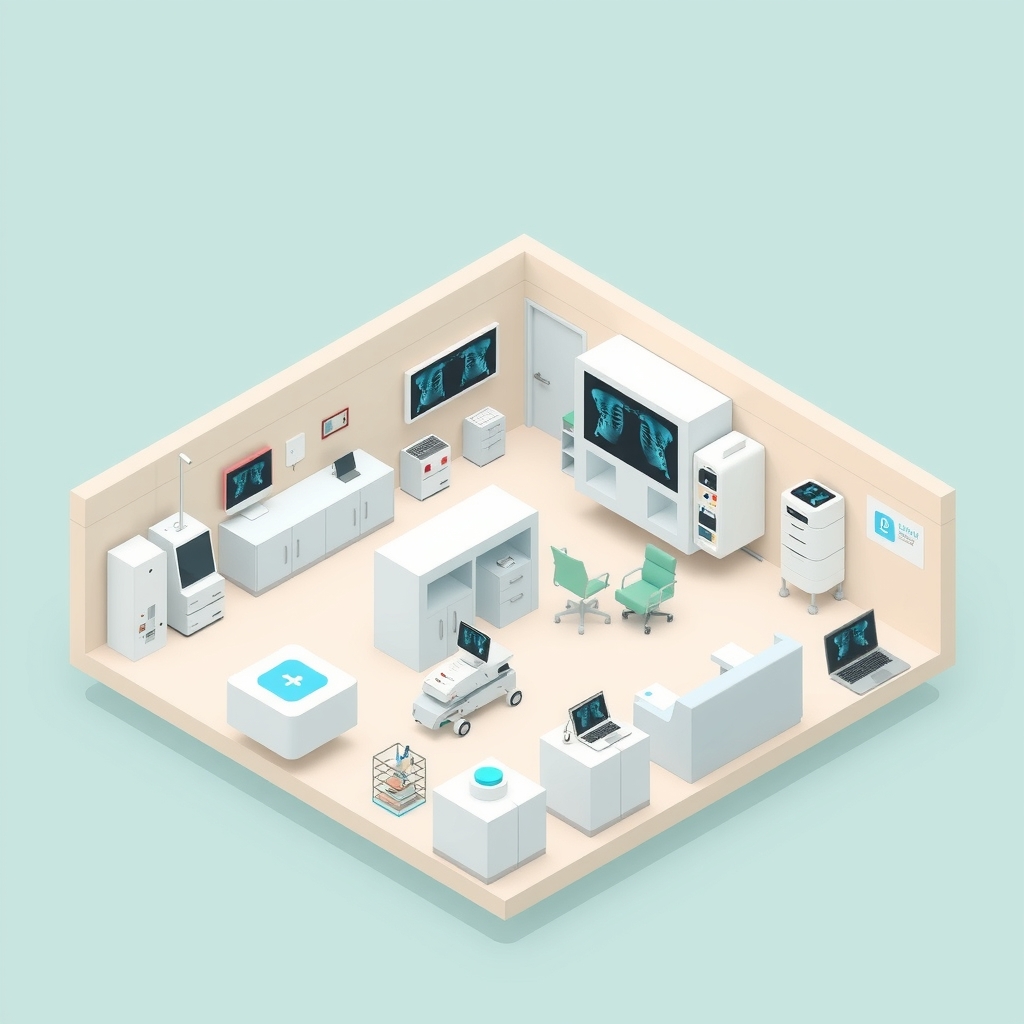
The healthcare landscape is rapidly transforming, with artificial intelligence at its forefront. The FDA recently granted breakthrough designations to two generative AI devices for interpreting chest X-rays and drafting radiology reports. This significant milestone for AI in healthcare promises to revolutionize diagnostic imaging, offering substantial benefits for busy healthcare providers aiming to optimize operations and enhance patient care.
Enhancing Diagnostic Efficiency with AI Integration
Generative AI holds immense potential to streamline diagnostic imaging. By rapidly interpreting chest X-rays and automatically generating preliminary reports, these new technologies significantly reduce the time radiologists spend on routine tasks. This mitigates burnout, allowing specialists to focus on complex cases. Such integration of digital health tools promises to accelerate report turnaround, critical for timely patient management.
The implications for clinical efficiency are profound. Faster diagnostic reports mean quicker diagnoses and earlier treatment planning. This improves patient outcomes and optimizes clinic throughput, allowing more patients to be seen effectively. Automated initial report drafting is a game-changer for high-volume imaging centers, boosting operational speed and resource utilization.

Operational and Revenue Impacts for Providers
For healthcare providers, generative AI impacts core clinic operations and revenue. By ensuring accurate and consistent reporting, these AI systems reduce diagnostic errors and improve care quality. Seamless integration with existing EHR systems is crucial, automating data flow, minimizing manual entry, and enhancing billing accuracy and compliance.
Furthermore, these advancements align with value-based care principles. Providers can demonstrate improved diagnostic efficiency, enhanced patient safety, and better outcomes—all key metrics in value-based models. Processing more studies with greater precision optimizes resource allocation and positions clinics to attract referrals, enhancing their reputation and directly influencing their financial health.
The FDA’s breakthrough designations for generative AI in radiology usher in an exciting new era. Providers who embrace these intelligent tools will gain significant advantages in efficiency, accuracy, and patient satisfaction. The future of healthcare delivery will be powered by such innovations, making proactive adoption essential for sustained success.
Actionable Takeaways for Providers:
- Evaluate AI Solutions: Research generative AI tools for diagnostic support that integrate with your current systems.
- Prioritize EHR Integration: Ensure adopted AI technology offers seamless compatibility with your existing EHR systems for maximum workflow efficiency.
- Invest in Staff Training: Prepare your team for new AI-driven workflows to maximize benefits and minimize adoption hurdles.
Leave a Reply