
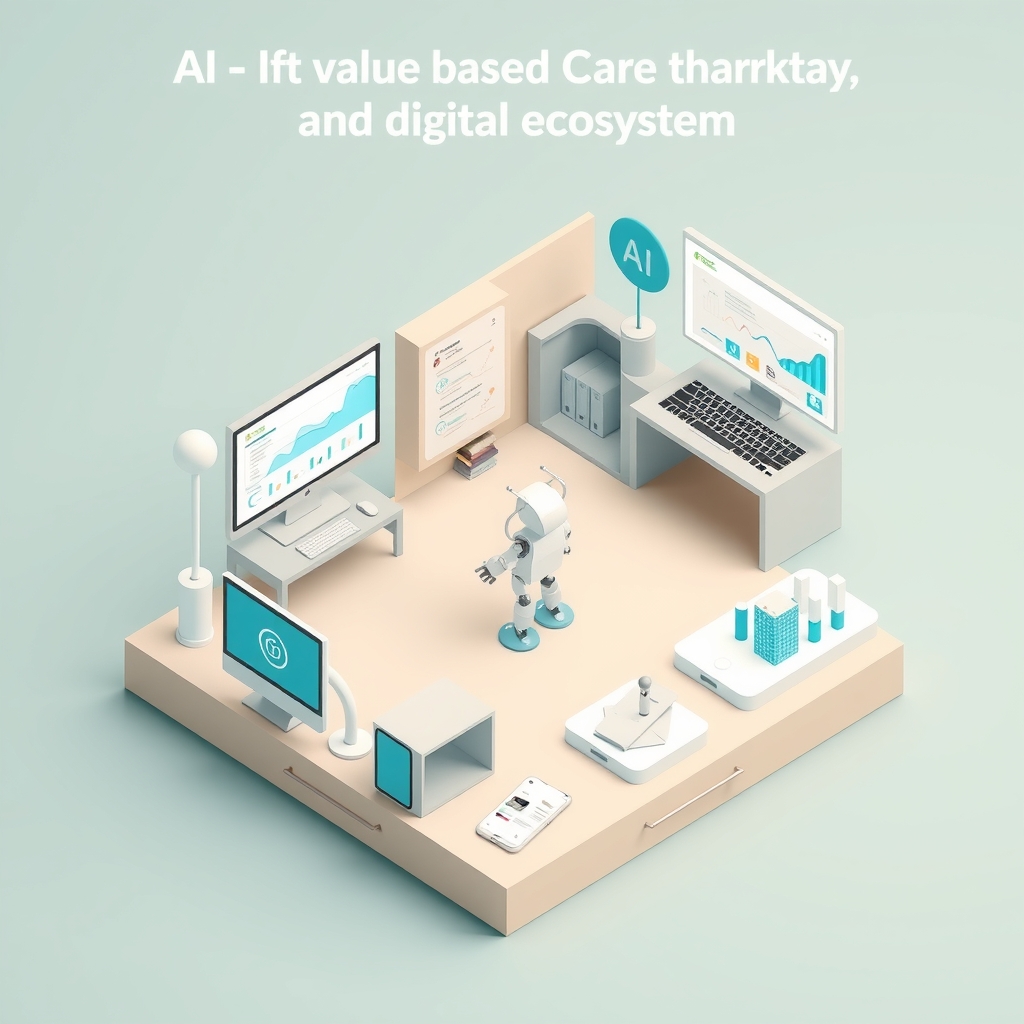
The landscape of patient health information is rapidly evolving. A recent KFF poll highlights a significant trend: nearly three in ten adults are now turning to social media or AI chatbots monthly for health advice, with cost and access barriers driving lower-income adults to these digital avenues. For busy healthcare providers, this shift underscores a critical need to understand how patients engage with digital health and adapt clinic operations to meet these new expectations, especially within existing EHR systems.
Understanding the AI-Empowered Patient Journey
Patients are increasingly self-serving information, often before or between appointments. While traditional sources remain vital, the growing reliance on AI in healthcare for health queries indicates a fundamental change in patient behavior. This means providers must consider the information patients are consuming, its accuracy, and how it shapes their expectations and adherence to care plans. Ignoring this digital health frontier can lead to misinformed patients and communication breakdowns, impacting overall patient engagement and outcomes within your practice.
The integration of these external digital influences with current EHR systems becomes paramount. Providers need strategies to effectively address patient-generated digital insights and to proactively guide them toward reliable resources. This proactive approach not only educates patients but also reinforces the provider’s role as the trusted source of health information, enhancing the patient-provider relationship in a digitally-driven world.

Leveraging AI for Enhanced Access and Value-Based Care
The KFF poll also shines a light on critical access barriers, particularly for lower-income adults. Here, AI in healthcare presents a powerful opportunity to bridge gaps. By integrating AI-powered tools, clinics can enhance patient outreach, offer accessible educational content, and streamline administrative tasks, ultimately reducing operational burdens and improving patient access. Imagine AI chatbots handling routine inquiries or directing patients to appropriate care, freeing up staff for more complex needs and supporting a robust digital health ecosystem.
For providers navigating the shift towards value-based care, AI offers analytical capabilities to identify at-risk populations and personalize care pathways, directly addressing the cost and access barriers cited in the poll. This proactive, data-driven approach not only improves patient outcomes but also optimizes resource allocation, demonstrating a clear return on investment. Embracing AI is no longer a luxury but a strategic imperative for efficient clinic operations and equitable patient care in the modern era.
The digital transformation of healthcare demands that providers acknowledge and adapt to how patients seek and consume health information. By strategically integrating AI in healthcare and leveraging existing EHR systems, practices can not only improve efficiency but also enhance patient engagement and address critical access disparities, aligning with the goals of value-based care.
- Actively monitor and understand your patients’ digital information sources to offer curated, reliable digital health resources.
- Explore AI-powered tools for patient education, communication, and administrative support to free up staff and improve access.
- Utilize AI within your EHR systems to identify and proactively support patients facing cost and access barriers, strengthening your value-based care initiatives.
Leave a Reply